30 random acts of kindness ideas (the ones that actually land)
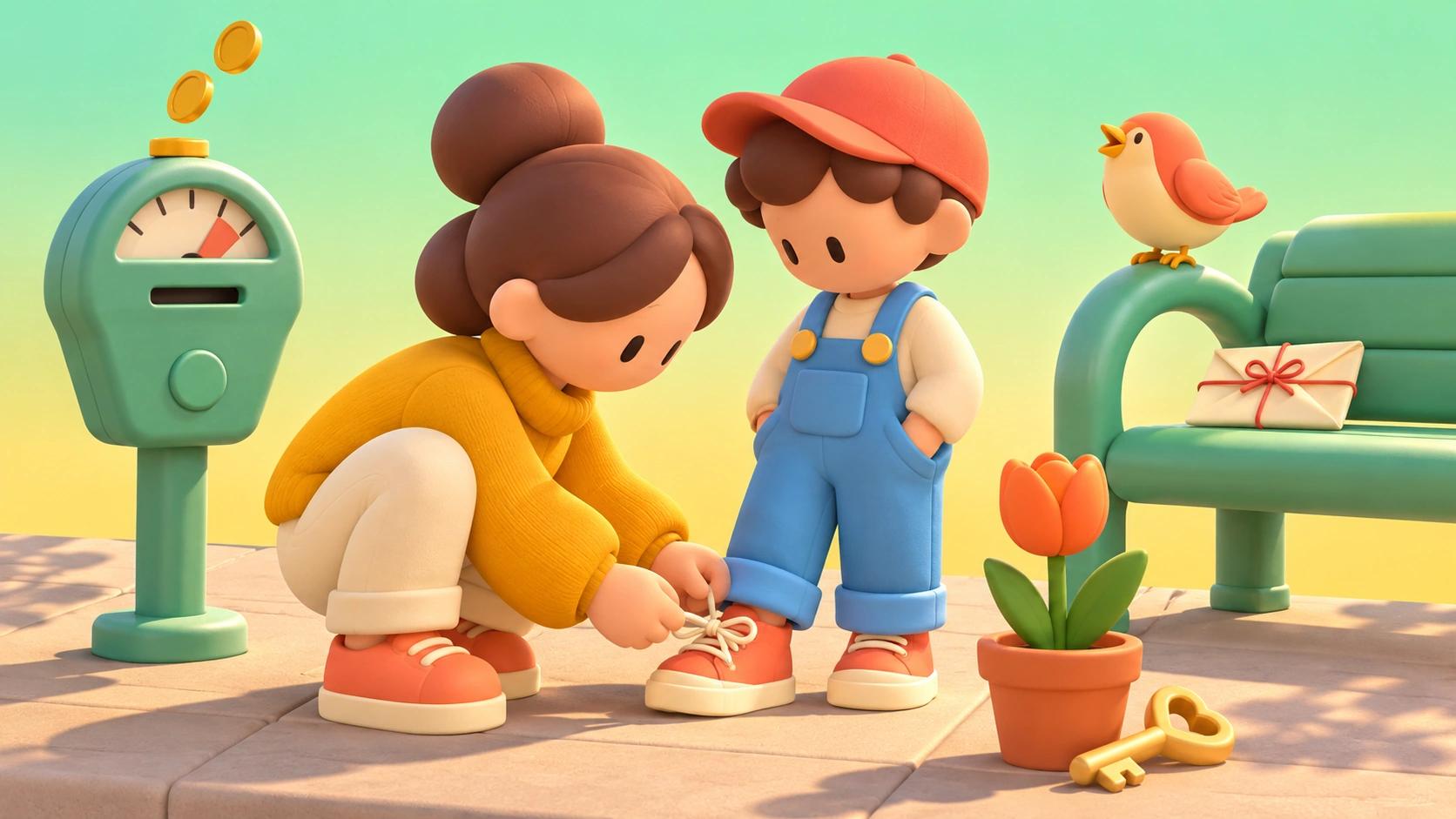
The strongest random acts of kindness are specific, cost the recipient zero time, and ask for no response. Paying for the drink of the person behind you. Writing a thank-you to the colleague who covered for you, naming the thing they covered. Texting an old friend one sentence that says you were thinking of them, with no catch-up ask attached. Those land harder than ten generic feel-good gestures, which land harder than any social-media post about kindness.
A random act of kindness is any small, unplanned, uncompensated gesture directed at a specific person. The move that works for a stranger (brief, anonymous, no claim on their time) is almost the opposite of what works for a close relationship (specific, slightly inconvenient, aimed at a known preference). Any list of ideas for random acts of kindness runs into the same question: who is the recipient, and what will actually land for that person.
Ten kindness ideas for strangers (quick, no-cost, in public)
For strangers, the move is low-friction. Short, anonymous, no social debt attached.
- Hold a heavy door and make eye contact — the vestibule door when someone is carrying groceries, not every door everywhere.
- Let a car with a turn signal into traffic at the merge nobody wants to make.
- Return a shopping cart that is not yours to the corral.
- Tell a barista, server, or cashier one specific thing they made easier that morning. Not "you're the best." The specific thing.
- Give a used book you actually read to a Little Free Library instead of a thrift shop.
- Fill a parking meter about to run out, if the city still has coin meters.
- Compliment a stranger on something they chose: their shoes, their book, their coffee order. Not something they did not choose (height, bone structure).
- Pick up one piece of litter on a route you walk daily.
- Hold the elevator for the person approaching with a stroller or a dolly.
- Buy the next person's drive-through order with no sign and no fanfare. The paid-forward chain is a marketing concept; the one quiet pay-forward is the act.
Ten kindness ideas at work (colleagues, a remote team, the person who covers for you)
At work, specificity is the whole game. Generic appreciation reads as a greeting. Specific appreciation reads as being seen.
- Send a thank-you to someone who did unglamorous work: took notes in a meeting, replied to the painful email thread, kept the shared document clean.
- Nominate someone else for the credit on something you both touched.
- Bring the quieter person into a hallway conversation they would be interested in.
- On a remote team, send one five-sentence direct message to a colleague you would otherwise never message. Specific topic, not "how are you."
- Return a borrowed thing (book, charger, notebook) with a note on where you found it useful.
- Cover for someone's holiday or sick day without keeping a scoreboard.
- Mentor one person outside your direct team for thirty minutes, without turning it into a programme.
- On a shared document, leave a precise compliment on one line of good writing or good code. Not a thumbs-up on the whole file.
- Introduce two people whose work you think would benefit each other, with one sentence about why.
- If you manage people, write one specific sentence of praise in a review that the employee can forward to their next manager.
Ten kindness ideas for family, neighbours, and online
Here the gestures should be specific and a little inconvenient. The inconvenience is what signals it was for them.
- Text an old friend one sentence that says you were thinking of them, with no catch-up ask attached.
- Call a parent during a weekday for no reason. The no-reason is the point.
- Learn one preference of a family member you keep forgetting (how they take tea, which podcast they are on this month) and act on it the next time.
- Bring in a neighbour's bins or packages during a weather event, once, without notification.
- Learn the name of the person who delivers your packages and use it, once.
- For a teacher in your life, send a short email naming one specific thing they did well that term — the kind of random acts of kindness ideas for schools that teachers actually remember months later.
- Leave a four-sentence review for a small business you use regularly, on Google Maps or Yelp.
- In a group chat gone quiet, send one real sentence about one specific person. Not a group blast.
- Online, reply to a stranger's post about something small (their recipe, their weekday-breakfast photo) with specific appreciation. Not "amazing" with three fire emojis.
- Send a card by actual post to someone who has not had a non-bill letter in a year.
A 30-day kindness challenge
A kindness challenge is a loose commitment to do one small kindness per day over a set stretch, usually seven or thirty days. The 30 day kindness challenge is a popular version, especially in schools.
The challenge works best when the ideas are chosen in advance, so decision fatigue does not collapse the whole thing by day six. A workable structure splits the month by audience: week one strangers, week two work colleagues, week three family and online, week four pick the ideas that landed in the first three weeks and repeat them.
Challenges fail for one predictable reason: they become about keeping the streak, and the streak then substitutes for the kindness. Week two becomes about ticking a box; the recipient notices this and ticks a different box in response. Kindness challenge ideas that work are the ones where the recipient would not know a challenge is happening. The point of a random act is that it reads as unprompted.
For classrooms, the thirty-day structure maps cleanly to a term and gives children specific age-appropriate acts rather than vague instruction to "be kind." The Random Acts of Kindness Foundation publishes a free kindness ideas library and free K-8 lesson plans, which teachers can adapt without reinventing the lesson plan.
The ones that land, and the ones that don't
The published research on kindness and wellbeing is more useful than most pop-psychology books on the topic suggest. A 2008 paper by Dunn, Aknin, and Norton in Science on spending money on others found that spending money on others improved mood compared with spending on oneself, with the effect roughly independent of amount: five dollars and twenty dollars produced similar changes. A 2019 study by Rowland and Curry at Oxford, summarised by the Greater Good Science Center, asked participants to do kind acts every day for a week and found happiness rose whether the kindness went to close friends and family, to people they knew less well, or to themselves. The researchers had expected kindness to close ties to matter more; it did not.
Any library can contain thousands of ideas of random acts of kindness, and the acts of random kindness ideas worth repeating share three patterns.
First, specific beats generic. "I noticed you were underwater on the quarterly deck. Thank you specifically for the slide 14 chart" is a different gesture than "thanks for your help!" posted to a Slack channel. Second, low time-cost to the recipient beats high. A text that asks for no reply is kinder than a long voicemail that asks for one. Third, no witness beats witness. The kindest acts are the ones the giver does not post about. Once a social-media reward is attached, the recipient reads the gesture as transactional, and the thing becomes a different kind of thing.
The ideas that do not land follow the inverse pattern. Generic chain messages. Public gestures where the recipient becomes a prop. The pay-it-forward drive-through sign (the sign makes it a performance; the quiet pay-forward does not). Anything that requires the recipient to perform gratitude in return is a transaction wearing the costume of a gift.
The practice is almost unglamorous enough to be boring: one specific person, one small specific thing, no sign on the way out.
References
- Dunn, E. W., Aknin, L. B., & Norton, M. I. (2008). Spending Money on Others Promotes Happiness. Science, 319(5870), 1687–1688. PubMed 18356530
- Rowland, L., & Curry, O. S. (2019). A range of kindness activities boost happiness. The Journal of Social Psychology, 159(3), 340–343. PubMed 29702043
- Random Acts of Kindness Foundation. Kindness Ideas library.
- Greater Good Science Center. What Types of Kindness Will Make You Happiest?