Hobbies & Leisure
Somewhere in adulthood most people quietly stop having hobbies. Why it happens, what it costs, and how to get one back for its own sake, not a side hustle.
Somewhere between the first full-time job and the second kid, most people quietly stop having hobbies. Not on purpose. The evenings fill with the necessary, the weekends fill with catching up, and the thing you used to do for no reason at all becomes the thing you keep meaning to get back to. Years pass that way.
This topic is about the parts of a life that don't show up on a resume or a bank statement: the guitar in the closet, the trail you keep saying you'll ride, the language you started twice. Leisure that exists for its own sake, not because it makes money or improves a metric. The research on adult wellbeing keeps circling the same finding, that people need at least one thing they do purely because they want to, and that most working adults have quietly deleted that thing from their week.
The articles below cover why the deletion happens, what it actually costs, and how to get a real hobby back without turning it into another obligation. The trap most people fall into is the moment a hobby starts being useful. The second the woodworking becomes an Etsy store or the running becomes a marketing funnel, it stops doing the thing hobbies are for.
If your weeks have started to feel like a series of tasks with nothing in them that's just yours, this is the entry point.
Start with the main piece
More on Hobbies & Leisure
- Hobbies & Leisure
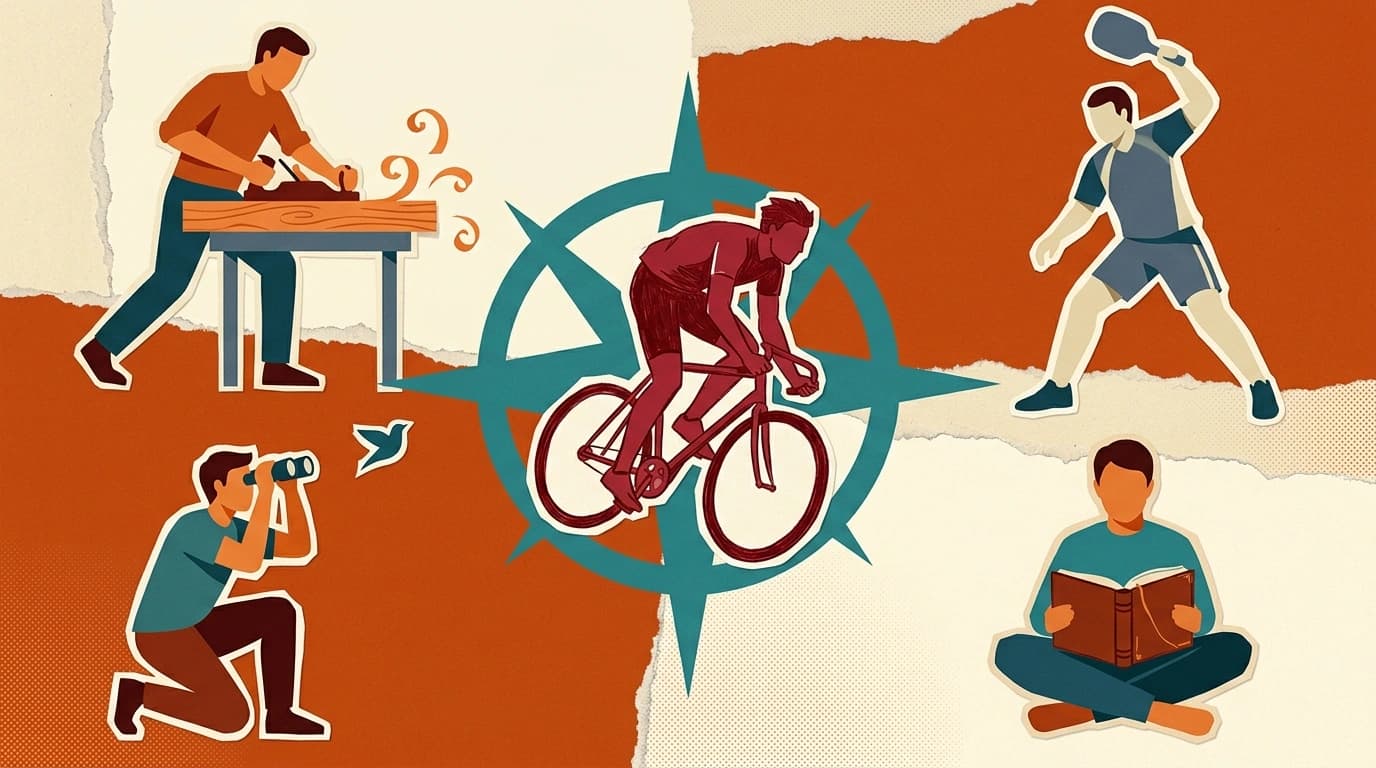
Hobbies for Men in Their 40s: Five Categories That Actually Work
· 7 min read
- Hobbies & Leisure

Cheap Hobbies for Adults: What Free, $30, and $100 Actually Buy
· 6 min read
- Hobbies & Leisure
Hobbies to Do Alone at Home: A Cleaner Way to Sort the Options
· 7 min read
- Hobbies & Leisure
How to Make Time for Hobbies With a Full-Time Job
· 6 min read
- Hobbies & Leisure
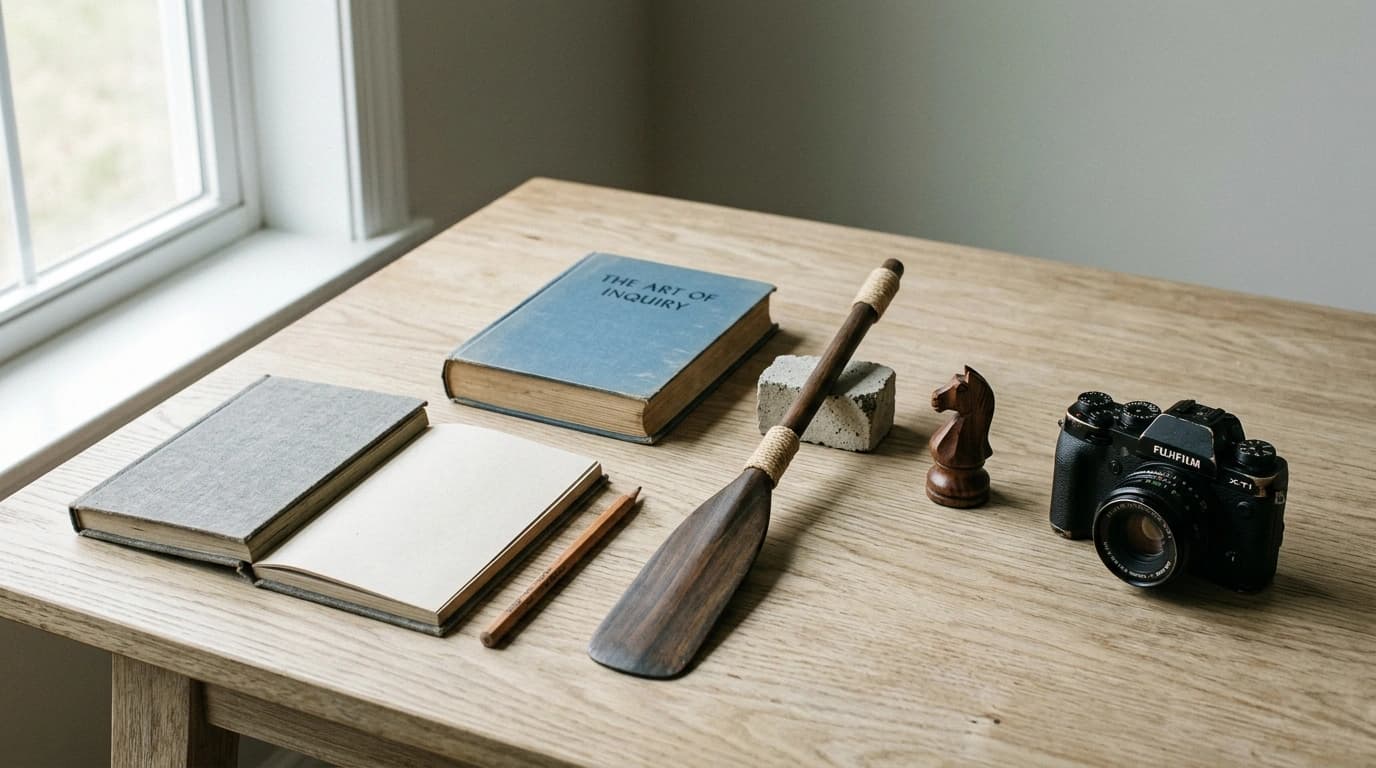
How to Find a Hobby as an Adult When Nothing Sounds Fun
· 6 min read
- Hobbies & Leisure
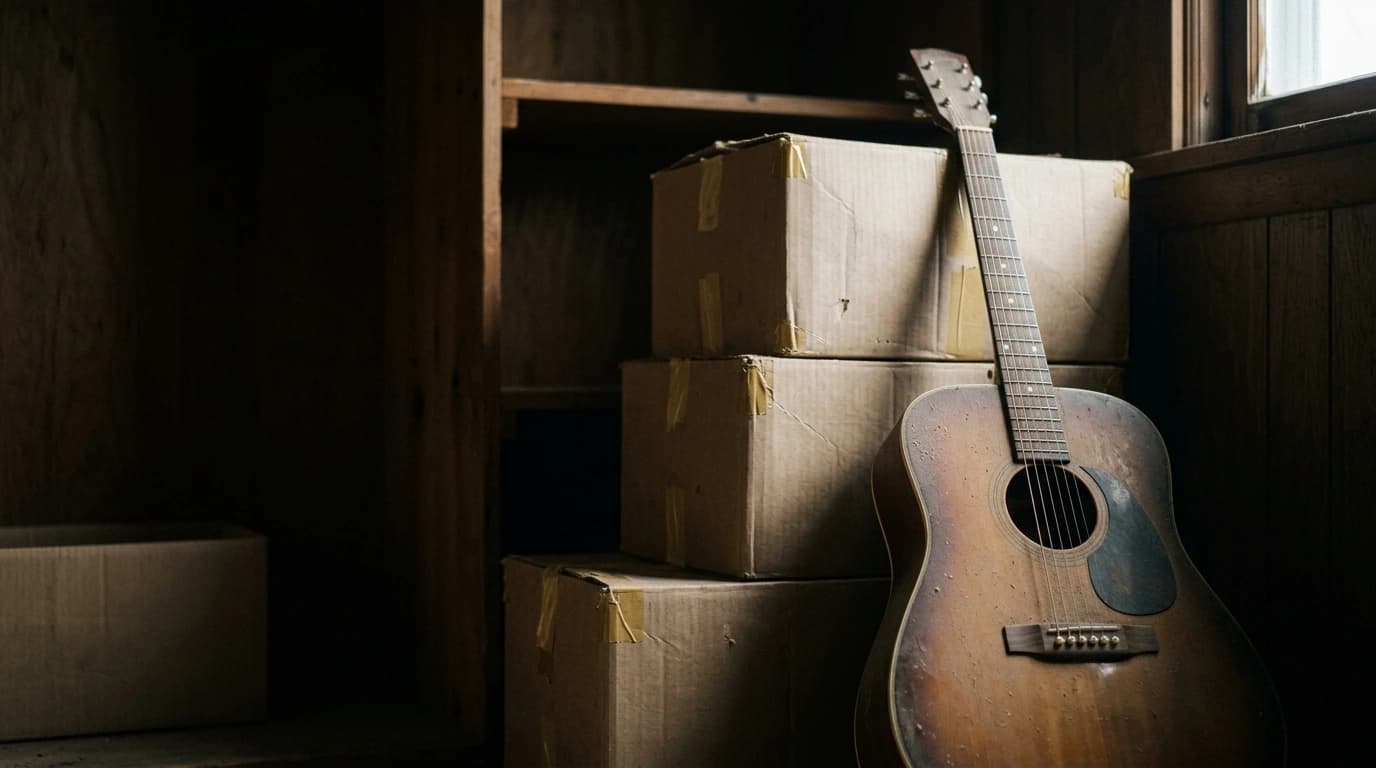
Why You Stopped Having Hobbies (And When It Started)
· 9 min read